I've abandoning this blog for almost three years...but now I'm back.
Need sometimes to recall on how to use this Blogger user interface..
Lots of thing to catch up...hahaaaa..

$ 50 Amazon.com Gift Voucher.
$ 15 Hard Cash through Paypal.
$ 20 worth Banner Advertising in Rockstartemplate.com for 1 month.
$ 15 worth Link Placement in PR 4 Blog [My Personal Blog] for 1 month.
And Get a Review at my personal Blog.

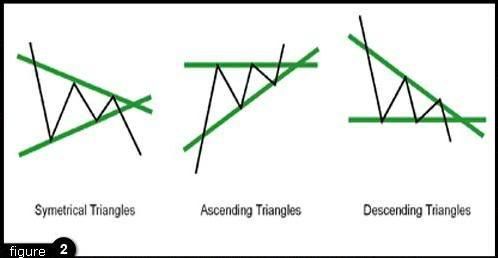 Figure 2
 Figure 3
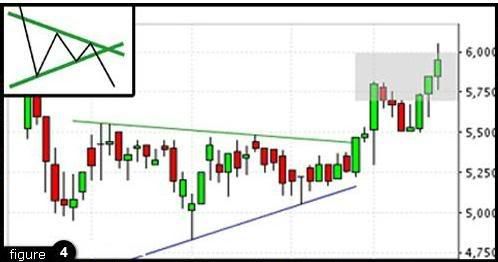 Figure 4
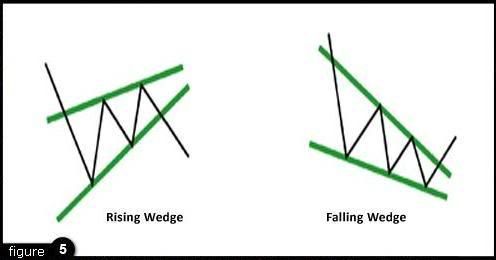 Figure 5
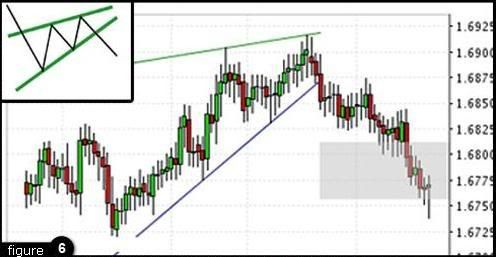 Figure 6
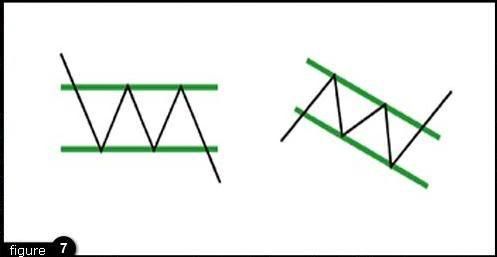 Figure 7
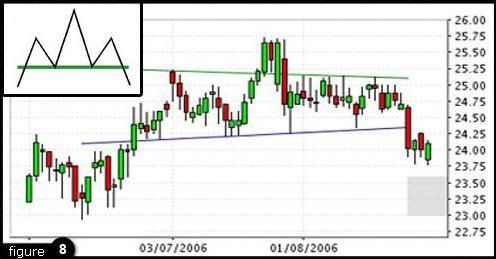 Figure 8
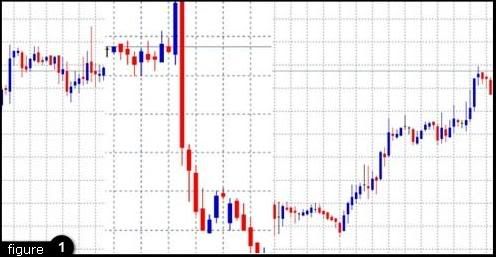 Figure 1
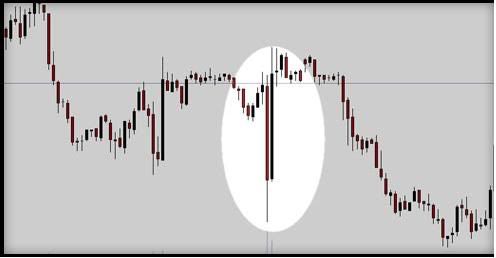 Figure 2
 reading. Covers important social, political and economical data.
 daily. All information on it is relevant and useful.
 In Forex, emotions can be your worst enemy. Fear, excitement, panic, anticipation can lead you to make a trading decision impulsively, or rush you into a transaction. And oftentimes, this can be not only risky, but also damaging, harmful, and destructive. Trading Forex should be rational, calculated, and well thought through. While making smart decisions does not guarantee a success (it can lead to failed transactions as well) it still allows traders to trade with control. And controlling one’s own trading fate, is a positive thing!
 websites and/or Forex software be aware of brokers who don’t always tell the truth about the risks involved in trading, of platforms that manipulate the exchange rate, of consultants that don’t look out for your best interest. Look out for programs that supposedly trade on your behalf and always make profits, for programs that provide inaccurate analysis, and automated trading services. Be aware of any trading platforms that promise that there is no risk involved and that this specific program can make you lots and lots of money.
Scalpers… never heard about them? I’m not surprised...because scalpers are a new breed of traders.
The leading principle behind scalping is that smaller price movements are easier to catch than large ones. And the movement is said to usually be of the following nature: a price movement goes in the trader direction for a while before it goes in its trend direction!
So what do scalpers actually do?
Well… they open and close positions in minutes or seconds attempting to make a profit that way. In a single day, scalpers will open and close tens and even hundreds of positions! They try to make many small profits with small price changes.
Scalpers will trade on leverage and hence increase their risk. However, since the trade is for a really short period of time, the risk decreases. It can be said that scalping is in a way a “risk control” strategy.
However, let’s not forget two thing: 1) The spread that you pay… when you open a trade it makes it more profitable to trade long-term, and 2) Since the gain is so minimal, one major loss could eliminate all the other gains, which could be not only extremely frustrating, but also financially destructive!!
Voila, this is Scalping!

The Forex Robot could be of use to any trader and/or investor. It automatically manages one’s account, hence, functioning like a money manager. It allows the trader/investor to step away from his/her trading platform without having to fear that s/he will “miss out” on a great moneymaking opportunity. The Forex Robot will manage one’s account at all times; it will constantly monitor all market movements and will look out for investment opportunities. The Forex robot is programmed to look for short-term opportunities in the Forex market; during a trading day it will look for opportunities in currency pairs. After closely tracking currency movements it will make decisions based on the market. It will execute them speedily and accurately, like a highly trained, highly skilled professional trader.
Expert traders, investors, and money-managers designed the Forex Robot. Their aim was to create some sort of an alternative to traditional trading, in which the analyzing (of trends) and the execution (of transactions) were to be carried out by a….well, machine. This way, they philosophized, emotions would be eliminated from the trading process…and everyone knows that emotions can be not only irrelevant but also be destructive in trading.
Sounds intriguing? You should check it out… But just remember not to let the robot turn you into a lazy trader….
Do you ever find yourself confused? Unable to tell which Forex symbol means what?
Well…the good news is that we have compiled some Forex symbol lists for you. Firs we will give you a list of currency pairs and their symbols, then we will give you a full list of ALL currencies and their symbols.
EUR/USD refers to Euro / US Dollar
USD/JPY refers to US Dollar / Japanese Yen
GBP/USD refers to British Pound / US Dollar
USD/CHF refers to US Dollar / Swiss Franc
USD/CAD refers to US Dollar / Canadian Dollar
AUD/USD refers to Australian Dollar / US Dollar
EUR/JPY refers to Euro / Japanese Yen
EUR/CHF refers to Euro / Swiss Franc
GBP/CHF refers to British Pound / Swiss Franc
GBP/JPY refers to British Pound / Japanese Yen
CHF/JPY refers to Swiss Franc / Japanese Yen
NZD/UZD refers to New Zealand Dollar / US Dollar
USD/ZAR refers to US Dollar / South African Rand
USD/GRD refers to US Dollar / Greek Drachma
USD/SEK refers to US Dollar / Swedish Kroner
USD/NOK refers to US Dollar / Norwegian Kroner
USD/DKK refers to US Dollar / Danish Kroner
USD/FIM refers to US Dollar / Finnish Markka
USD/NLG refers to US Dollar / Dutch Guilder
USD/MXN refers to US Dollar / Mexican Peso
USD/BRL refers to US Dollar / Brazilian Real
USD/IDR refers to US Dollar / Indonesian Rupiah
USD/HKD refers to US Dollar / Hong Kong Dollar
USD/SGD refers to US Dollar / Singapore Dollar
USD/CZK refers to US Dollar / Czech Kroner
The symbols are the abbreviations, the three letters that stand for the official name of the currency.
Afghanistan Afghani is referred to as: AFA
Albania Lek is referred to as: ALL
Andorra Peseta is referred to as: ADP
Angolia Kwanza is referred to as: AON
Argentinia Peso is referred to as: ARS
Aruba Guilder is referred to as: AWG
Austrailia Dollar is referred to as: AUD
Bahama Dollar is referred to as: BSD
Bahraini Dinar is referred to as: BHD
Bangladesh Taka is referred to as: BDT
Barbados Dollar is referred to as: BBD
Belize Dollar is referred to as: BZD
Benin/Senegal/Brukina Faso CFA Franc is referred to as: XOF
Bermuda Dollar is referred to as: BMD
Bhutan Ngultrum is referred to as: BTN
Bolivia Bolivianos is referred to as: BOB
Botswana Pula is referred to as: BWP
Brazil Real is referred to as: BRL
British Pound Sterling is referred to as: GBP
Brunei Dollar is referred to as: BND
Bulgaria Lev is referred to as: BGN
Burma Kyat is referred to as: BUK
Burundi Franc is referred to as: BIF
Cambodia Riel is referred to as: KHR
Cameroon/Congo/Chad CFA Franc is referred to as: XAF
Canada Dollar is referred to as: CAD
Cape Verde Escudo is referred to as: CVE
Cayman Islands Dollar is referred to as: KYD
Chile Peso is referred to as: CLP
Chile Unidades De Formento is referred to as: CLF
China Yuan Renminbi is referred to as: CNY
Colombia Peso is referred to as: COP
Comoros Franc is referred to as: KMF
Costa Rica Colones is referred to as: CRC
Cuban Peso is referred to as: CUP
Cyprus Pound is referred to as: CYP
Danish Krone is referred to as: DKK
Djibouti Franc is referred to as: DJF
Dominican is referred to as: Peso
East Caribbean Dollar is referred to as: XCD
Ecuador Sucre is referred to as: ECS
Egypt Pound is referred to as: EGP
El Salvador Colon is referred to as: SVC
Ethiopia Birr is referred to as: ETB
EURO is referred to as: EUR
Falkland Islands Pound is referred to as: FKP
Fiji Dollar is referred to as: FJD
French Polynesia CFP Franc is referred to as: XPF
Gambia Dalasi is referred to as: GMD
Ghana Cedi is referred to as: GHC
Gibraltar Pound is referred to as: GIP
Guatemala Quetzal is referred to as: GTQ
Guinea Franc is referred to as: GNF
Guinea-Bissau Peso is referred to as: GWP
Guyana Dollar is referred to as: GYD
Haiti Gourde is referred to as: HTG
Honduras Lempira is referred to as: HNL
Hong Kong Dollar is referred to as: HKD
Hungry Forint is referred to as: HUF
India Rupee is referred to as: INR
Indonesia Rupiah is referred to as: IDR
Iran Rial is referred to as: IRR
Iraq Dinar is referred to as: IQD
Israel Shekel is referred to as: ILS
Jamaica Dollar is referred to as: JMD
Japan Yen is referred to as: JPY
Jordan Dinar is referred to as: JOD
Kenya Shilling is referred to as: KES
Kuwait Dinar is referred to as: KWD
Laos Republic Kip is referred to as: LAK
Lebanon Pound is referred to as: LBP
Lesotho Maloti is referred to as: LSL
Liberia Dollar is referred to as: LRD
Libia Dinar is referred to as: LYD
Macao Pataca is referred to as: MOP
Malagasy Franc is referred to as: MGF
Malawi Kwacha is referred to as: MWK
Malaysia Ringgit is referred to as: MYR
Maldives Rufiyaa is referred to as: MVR
Malta Lira is referred to as: MTL
Mauritania Ouguiya is referred to as: MRO
Mauritius Rupee is referred to as: MUR
Mexico Peso is referred to as: MXN
Mongolia Turgik is referred to as: MNT
Morocco Dirham is referred to as: MAD
Mozambique Metical is referred to as: MZM
Myanmar Kyat is referred to as: MMK
Nepal Rupee is referred to as: NPR
New Taiwan Dollar is referred to as: TWD
New Zealand Dollar is referred to as: NZD
Nicaragua Cordoba Oro is referred to as: NIO
Nigeria Naira is referred to as: NGN
North Korean Won is referred to as: KPW
Norway Krone is referred to as: NOK
Oman Rial Omani is referred to as: OMR
Pakistan Rupee is referred to as: PKR
Panama Balboa is referred to as: PAB
Papua New Guinea Kina is referred to as: PGK
Paraguay Guarani is referred to as: PYG
Peru Inti is referred to as: PEN
Philippines Peso is referred to as: PHP
Poland Zloty is referred to as: PLN
Qatari Riyal is referred to as: QAR
Republic of Korea Won is referred to as: KRW
Romania Leu is referred to as: ROL
Russia Rouble is referred to as: RUB
Rwanda Franc is referred to as: RWF
Sao Tome Dobra is referred to as: STD
Saudi Arabia Riyal is referred to as: SAR
Seychelles Rupee is referred to as: SCR
Sierra Leone Leone is referred to as: SLL
Singapore Dollar is referred to as: SGD
Solomon Islands Dollar is referred to as: SBD
Somalia Shilling is referred to as: SOS
South Africa Rand is referred to as: ZAR
Sri Lanka Rupee is referred to as: LKR
St Helena Pound is referred to as: SHP
Sudan Dinar is referred to as: SDD
Suriname Guilder is referred to as: SRG
Swaziland Lilangeni is referred to as: SZL
Sweden Krona is referred to as: SEK
Switzerland Franc is referred to as: CHF
Syria Pound is referred to as: SYP
Tanzania Shilling is referred to as: TZS
Thailand Baht is referred to as: THB
Timor Escudo is referred to as: TPE
Tonga Pa'anga is referred to as: TOP
Trinidad and Tobago Dollar is referred to as: TTD
Tunisia Dinar is referred to as: TND
Turkish Lira is referred to as: TRL
U.A.E. Dirham is referred to as: AED
Uganda Shilling is referred to as: UGX
Uruguay Peso is referred to as: UYU
Vanuatu Vatu is referred to as: VUV
Venezuela Bolivar is referred to as: VEB
Vietnam Dong is referred to as: VND
Western Samoa Tala is referred to as: WST
Yemeni Dinar is referred to as: YDD
Yemeni Rial is referred to as: YER
Zaire Zaire is referred to as: ZRZ
Zambia Kwacha is referred to as: ZMK
Zimbabwe Dollar is referred to as: ZWD
Trading the Forex market is a smart move. There are many Forex strategies to implement, and they will help you invest your money wisely. However, no matter how well you have studies, researched, and examined a strategy, it will always remain risky. So whenever if you choose to trade in the Foreign Exchange market, always remember that you are taking a risk. Having said this, history has proven that certain trading strategies work. Following are several strategies that traders use in their attempts to make a profit—and you can learn from them.
But there is a notion of trending even in range trading. For example, if an instrument has moved outside of its range, then it is believed that it will continue to follow that trend. This is to say, that if an instrument has broken its range and its price has moved up, then its price will continue to rise for a while longer (and vice versa).
Perhaps you will not be surprised to know that many traders will chose to reverse these strategies. I.e. to operate in a way that completely contradicts these techniques. They will purposefully trade against those who trade using the strategies above.
Day trading is a term that refers to the time frame in which traders choose to trade. If a trader buys and sells financial instruments (financial instruments are: stocks, stock options, currencies, and a host of futures contracts such as equity index futures, interest rate futures, and commodity futures) within the same trading day, i.e. closes positions before the end of the trading day, then it is correct to say that s/he is day trading. As opposed to day trading, the term over night trading also exists, and it means that positions remain open until the next trading day. The Foreign Exchange market (Forex market) has many day traders.
Some day traders open one position a day, other open dozens. Some day traders focus on extremely short-term trading (seconds, minutes) whereas others prefer long-term trading. Many day traders believe that they must close their position before the market closes as to avoid the risk of changes in the price (i.e. to avoid situations in which large differences between the previous day’s close price and the next day’s open price exist.) Of course, then there are other traders that choose to do the exact opposite…. Either way, trading has undergone a transformation. And so has day trading. Up until not too long ago, day trading was something that only financial firms and professional investors engaged in. However, with 
One trading technique frequently used by day traders (specifically by Forex day traders) is trading as per the news. That is to say, to base trades on current events; traders open positions following major news releases. The reason this technique is used mainly by day traders is because such opportunities (changes in the value of currencies as a result of news releases) are usually short-lived; they may last for only a few minutes or even only a few seconds. That is to say, if some country released an economic report showing a growth in its Gross Domestic Product (GDP) then this may influence the value of that nation’s currency—a rising trend in the GDP shows that the economy is growing stronger, and hence, many day traders may choose to invest in that country’s currency. But like already said, the opportunity to do so is usually short-lives, and hence, only day traders can benefit from such opportunities.
Forex does not have to be complicated. It can be simple, straightforward, and
Forex is short for Foreign Exchange (Forex market is short for Foreign Exchange market). It is also referred to as merely the two letters FX. The Foreign Exchange market is an international market in which currencies are being sold and bought. Currency is money; it is used as a medium of exchange; hence, the Foreign Exchange market is a market in which money is being sold and bought, in which money is being exchanged.
Think about it this way: When you walk into a store, you buy an apple and you pay with dollars, right? In the Foreign Exchange market you buy one currency (just like the apple)
The value of currencies is not set in stone. Rather, it fluctuates; at times it decreases and at times, it increases. For now let’s not focus on the reasons for these changes, but lets just know that such changes exist (and constantly happen). One currency’s value is measured against the value of another currency. The way it is done is via an exchange rate. This is to say, that the exchange rate will inform you how much of a certain currency you can buy and how much it will cost you (like we already established, we are paying with one currency for the purchase of another currency)
In the Foreign Exchange market currencies are traded in real-time. Since the value of currencies changes (from second to second, minute to minute, month to month, year to year, etc, etc, etc) it is possible to make a profit from such transactions. If you are able to determine which currency’s value will increase by the end of a determines time (such as five minutes after placing the investment, or an hour, or two hours, etc), you will be able to make a profit.
For example: Lets say that you have 1 USD to spend. And let’s say you want to buy JPY (the Japanese Yen is the official currency of Japan). You learn that with 1 dollar you are able to buy 2.34 JPY and so you do exactly that. Now, an hour passes and you learn that with 1 USD you can now buy 2.50 JPY. This means that the dollar is now stronger than it was only an hour ago—because with the same amount of an investment (your initial 1 USD) you are now able to get more JPY (2.50 as opposed to 2.34).